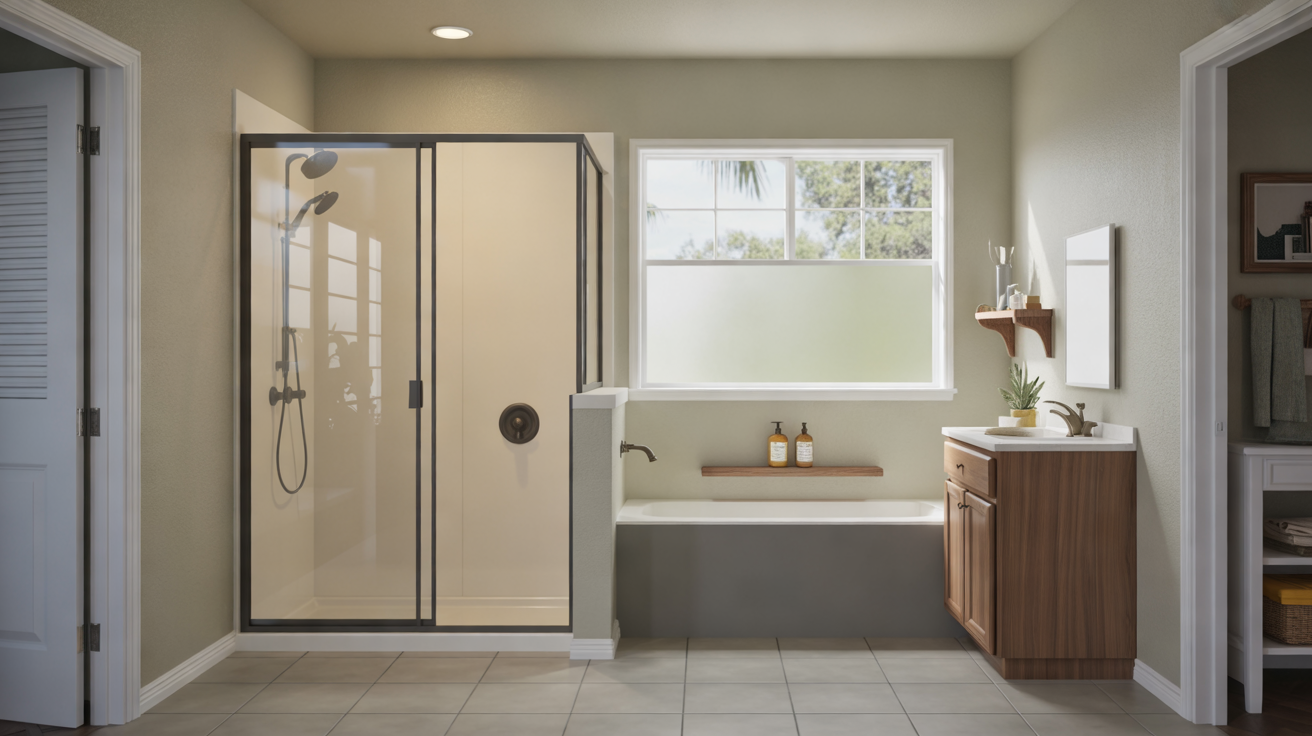
When you plan a shower replacement in Cape Coral, one of the first decisions is which type of system to install. Different systems vary in cost, installation time, durability, and how much you can customize the look and layout. Understanding your main options helps you choose a shower that fits your home, lifestyle, and future plans.
Below is a breakdown of the most common shower replacement systems, how they compare, and when each option makes the most sense.
Main Types of Shower Replacement Systems
Most residential shower projects in Cape Coral fall into one of these categories:
- Prefabricated shower kits (one-piece or multi-piece)
- Custom tile shower systems
- Acrylic or composite wall panel systems
- Walk-in and low-threshold systems
- Bathtub-to-shower conversion systems
Prefabricated Shower Kits
Prefabricated (or “prefab”) showers are factory-made units that include the shower base and wall surrounds, sometimes with integrated shelves or seats.
One-Piece Shower Units
One-piece units have the floor and all walls molded together.
- Pros: Few seams, less chance of leaks, quick to install, easy to clean.
- Cons: Often cannot fit through standard doorways in existing homes; limited design and size flexibility.
- Best for: New builds, major gut remodels, garages/guest suites where walls may be open.
Multi-Piece Modular Kits
These systems come in several pieces that lock or seal together on-site.
- Pros: Easier to get into existing bathrooms, faster than fully custom systems, usually more affordable.
- Cons: Visible seams, fewer layout options than a fully custom shower.
- Best for: Rental properties, budget-conscious projects, and secondary bathrooms.
Custom Tile Shower Systems
Tile showers are built on-site with a waterproof base and backer, then finished with your choice of tile and grout.
Advantages of Custom Tile
- Design flexibility: Any size or shape; endless choices in tile style, color, and layout.
- Resale appeal: Often viewed as an upgrade in real estate listings.
- Integration: Easy to match floors, niches, benches, and other bathroom finishes.
Considerations and Maintenance
- Requires skilled installation and careful waterproofing.
- More grout lines to clean; may need periodic sealing depending on materials.
- Generally takes longer to install than prefab systems.
To compare tile against other materials in more depth, see the guide on Tile vs Acrylic Shower Walls.
Acrylic and Composite Wall Panel Systems
Wall panel systems use large, solid panels (often acrylic, fiberglass, or composite materials) that attach over a new or existing surface. They’re popular for quick remodels and for covering outdated tile.
Key Benefits
- Low maintenance: Minimal seams and no grout make cleaning simple.
- Speed: Often installed in a day or two when conditions allow. For timing expectations, see One-Day Shower Replacement: What to Expect.
- Style variety: Available in solid colors, stone looks, tile-look patterns, and more.
What to Watch For
- Walls still need to be sound and properly prepared underneath.
- Cheaper products can scratch or discolor more easily.
- Less fully customizable than hand-laid tile.
If sustainability is a priority, review Eco-Friendly Shower Replacement Materials to compare material options.
Walk-In, Low-Threshold, and Barrier-Free Systems
These systems focus on easier entry, making them ideal for aging-in-place, accessibility, and everyday safety.
Walk-In Showers
Walk-in systems typically feature a larger footprint and a modern, open look.
- Often used to replace an old tub for easier access.
- Can be built with tile, prefab bases, or custom pans.
For layout inspiration, see Walk-In Shower Replacement Options.
Low-Threshold and Barrier-Free Shower Bases
- Low-threshold: A short curb (usually 2–3 inches) for easier step-in.
- Barrier-free/curbless: The shower floor is level with the bathroom floor.
These options pair well with grab bars, bench seating, and handheld showerheads. Learn more in Low-Threshold and Barrier-Free Shower Options and Senior-Friendly and Accessible Shower Designs.
Bathtub-to-Shower Conversion Systems
A tub-to-shower conversion removes a bathtub and replaces it with a shower base and new surround. This can be done with prefab kits, custom tile, or wall panels.
- Benefits: Frees up floor space, improves access, modernizes older bathrooms.
- Options: Standard-threshold, low-threshold, or walk-in designs depending on your needs.
For planning a conversion in more detail, visit the Bathtub to Shower Conversion Guide.
Comparing Shower Replacement Systems
The table below summarizes how common systems stack up on a few key points.
| System Type | Customization | Installation Time | Maintenance | Typical Use |
|---|---|---|---|---|
| Prefab one-piece | Low | Fast | Very easy | New builds, full gut remodels |
| Prefab multi-piece | Low–medium | Fast | Easy | Budget and rental properties |
| Custom tile | High | Slower | Moderate | Primary baths, high-end remodels |
| Acrylic/composite panels | Medium | Fast | Very easy | Quick updates, older tile cover-ups |
| Walk-in / barrier-free | Medium–high | Moderate | Easy–moderate | Accessibility and aging-in-place |
How to Choose the Right System for Your Home
1. Define Your Main Goal
- Speed and simplicity: Consider prefab kits or wall panel systems.
- High-end custom look: A tile shower or mixed-material design may suit you best.
- Accessibility: Focus on walk-in, low-threshold, or curbless systems.
2. Consider Bathroom Size and Layout
Smaller spaces may benefit from corner units or a tub-to-shower conversion that opens up the room. For more tips, see Shower Replacement for Small Bathrooms.
3. Think About Long-Term Maintenance
If you prefer minimal scrubbing, larger wall panels or solid-surface systems can reduce grout and seams. To protect your investment, review How to Maintain Your New Shower.
4. Align With Budget and Resale Plans
System choice affects both cost and potential home value. Learn more in the Shower Replacement Cost Guide and Shower Replacement and Home Resale Value.
FAQs About Shower Replacement Systems
Which system is easiest to keep clean in the Cape Coral climate?
Large acrylic or composite wall panels and prefab surrounds are typically easiest to maintain, since they have fewer joints where soap scum and mildew can collect. Good ventilation and regular cleaning are still important in our warm, humid climate.
Can I mix materials, like a prefab base with tile walls?
Yes. Many homeowners use a factory-made shower pan with custom tile or panel walls. This can balance cost, drainage reliability, and the look you want.
Are all systems suitable for one-day installation?
No. Some panel and prefab systems can be installed in a day when the existing structure is sound. Custom tile showers and major layout changes usually take longer. For timelines, see How Long Does a Shower Replacement Take?.
Should I replace the shower pan or just the walls?
If your pan is old, damaged, or not properly sloped, replacing it during a shower upgrade is often wise. Learn more in Shower Pan Replacement: Materials and Costs.
Is DIY a good idea for these systems?
Some modular kits are DIY-friendly, but any system involving complex plumbing, waterproofing, or structural changes is best left to pros. For a balanced view, visit DIY vs Professional Shower Replacement.
Learn More Before You Decide
If you are still exploring options, the Blog includes guides on common mistakes, financing, and warranties, such as:
- Common Shower Replacement Mistakes to Avoid
- Financing Options for Shower Replacement
- Shower Replacement Warranties and Guarantees
To learn more about Shower Replacement Cape Coral and the services offered locally in Cape Coral, FL, visit the About page or the Home page.